

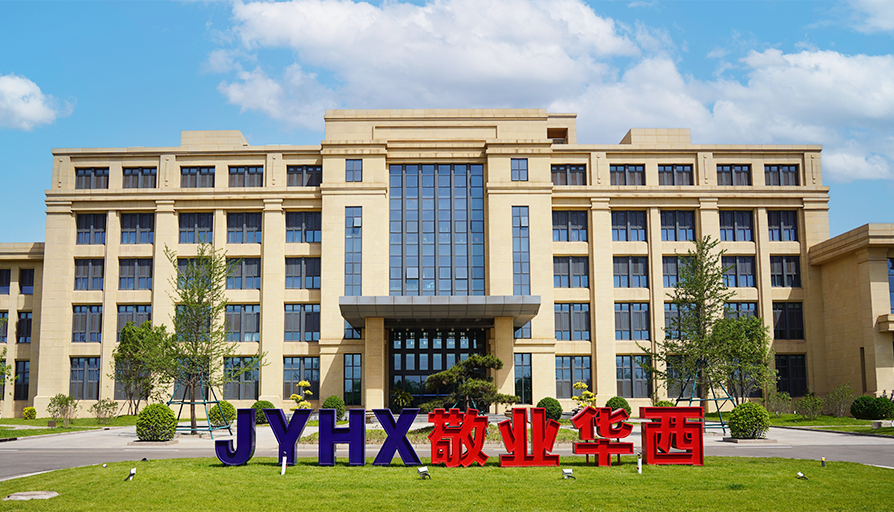
World Environment Day
The 2026 World Environment Day carries the theme “Comprehensive Green Transition, Building a Beautiful China Together,” which is anchored in China’s top-level vision for ecological progress and sets a clear direction for greening industrial sectors. Long-process steelmaking focuses on four key areas: reaching carbon peak, improving environmental quality, protecting ecosystems, and fostering green production and lifestyles. Through green innovation across every process stage, the industry is shifting from high-energy, high-emission operations toward a low-carbon, resource-efficient, and ecologically responsible model—and through this green transformation of steel, empowering the broader cause of ecological progress across all sectors.
Working Toward the Dual Carbon Goals
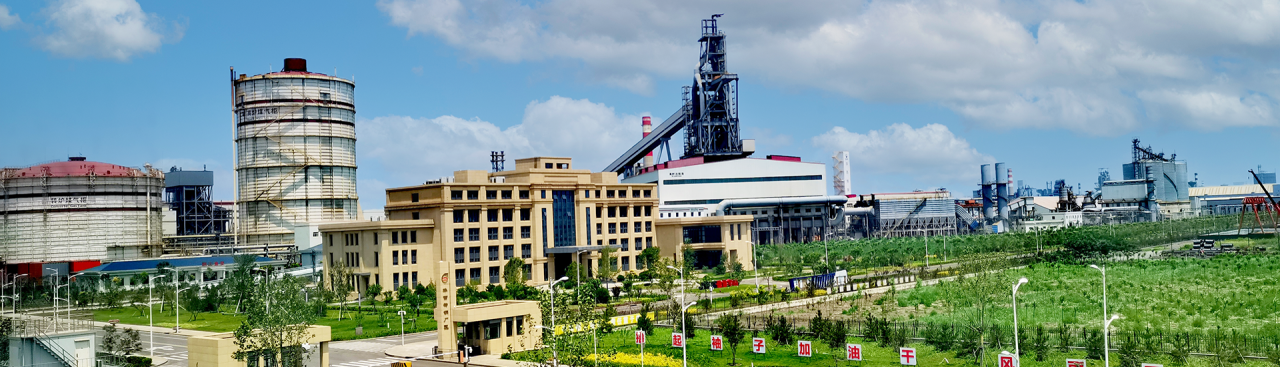

Achieving carbon peak is the top priority for the steel industry’s green transition. Long-process steelmaking spans sintering, ironmaking, steelmaking, and rolling, and companies are building carbon management systems suited to their actual process conditions, following a steady, step-by-step approach. At the source, the focus is on optimizing the mix of raw materials and fuels. In the process, efforts go into recovering waste heat, pressure, and energy more effectively to improve overall energy efficiency. At the end of the process, companies are establishing full-process carbon emission accounts and refining emissions accounting standards for each stage of sintering, blast furnace, and steelmaking to support the industry’s overall carbon peak goals.
Targeted Pollution Control
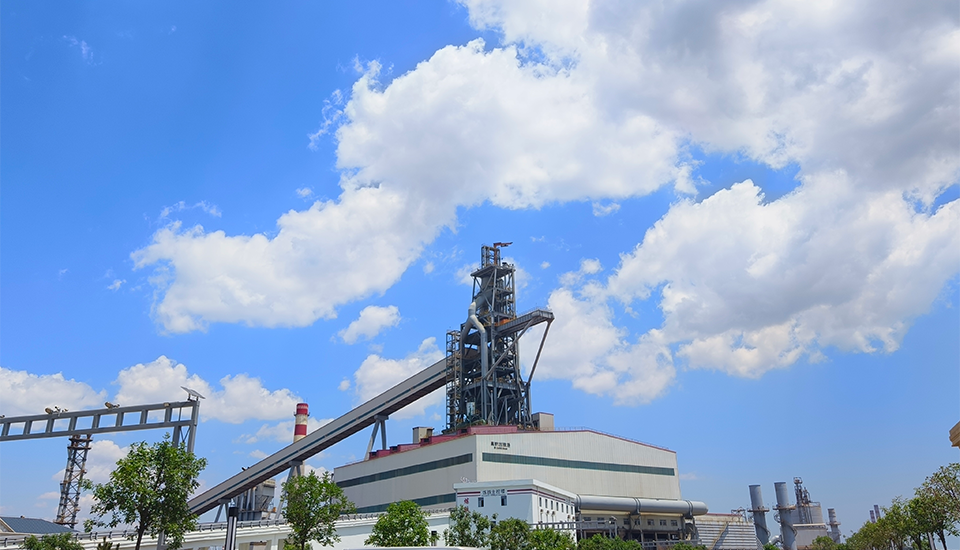
Ongoing improvement in environmental quality is central to putting this year’s World Environment Day theme into practice. For air quality, ultra-low emission retrofits have been completed at key dust-generating points, including sinter machine head ends, blast furnace tap holes, and steel converters. On the water side, a tiered water recycling system has been put in place so that process wastewater is reused internally rather than discharged. Solid waste, including steel slag, blast furnace slag, and dedusting ash, is being put to productive use, while hazardous waste is stored in sealed, classified conditions and handled by licensed disposal providers. Through this combination of fine-tuned end-of-pipe controls and source management, air and water quality both inside and around plant sites continues to improve.
Coordinating Ecological Restoration Inside and Outside the Plant
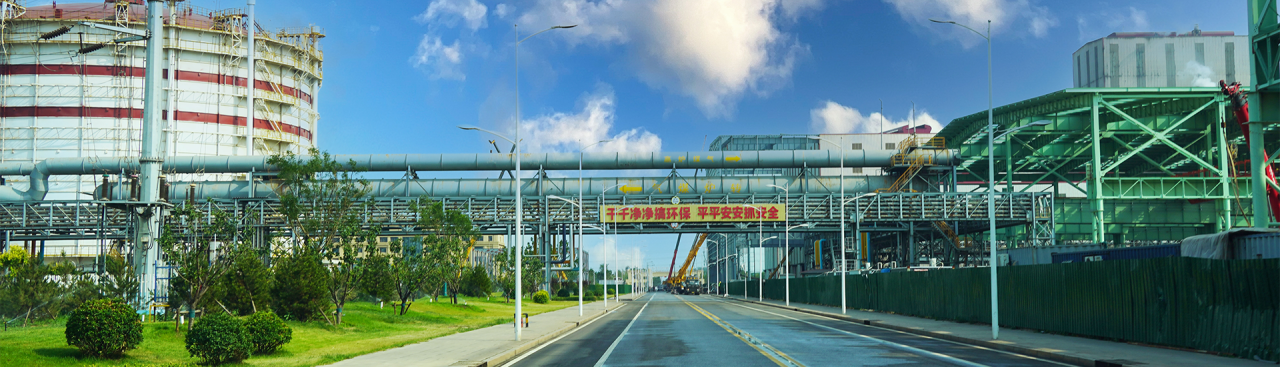
Within plant grounds, green belts are being developed along the edges of material yards, roadsides, and open spaces between production areas. On a broader scale, companies are actively supporting local watershed management efforts, monitoring wastewater discharge to prevent any impact on nearby rivers, farmland, and groundwater, and reinforcing underground seepage-prevention systems to protect soil and water resources. These efforts help shore up local ecosystem stability and establish a firm industrial front line for biodiversity protection.
Accelerating the building of green production and lifestyle practices is the underlying driver of a comprehensive green transition. Long-process steel companies are driving model innovation on the production front and cultivating green concepts on the cultural front, opening up the full chain of green industrial development. On the production side, circular green production models are being established to extend the recycling economy supply chain and drive closed-loop resource cycling within plant boundaries. Lean green production management is also being introduced, alongside the promotion of energy-saving equipment such as efficient motors and variable frequency drive retrofits, reducing energy consumption through management improvements and making clean production standard practice. On the lifestyle front, campaigns are being run to promote green office habits and low-carbon commuting; waste sorting and recycling schemes are being introduced across plant sites; and environmental awareness training is being organized to guide employees in developing daily habits of saving electricity, conserving water, and traveling sustainably. Externally, companies are leveraging activities such as corporate environment open days and World Environment Day public outreach talks to encourage surrounding communities to embrace green consumption and low-carbon lifestyles, and together paint a new picture of a beautiful China with blue skies, green land, and clean water.
Hua Xi
Special Steel
✦
learn more
✦
WeChat Scan
Follow Us

Sales Hotline|18003259029


 冀公网安备13020002000120号